Intel Flash124 reports
Breaking preparedness intelligence — curated and analyzed by Morgan Reed.

 AI Generated — EMPSurvive.com
Solar Cycle 25: Minor Geomagnetic Storm Expected from Recent Filament Ejecta
Recent solar filament activity has ejected material into space that may deliver a weak glancing blow to Earth's magnetosphere, according to NOAA observations. Conditions could increase to minor geomagnetic storm levels on August 7.
 AI Generated — EMPSurvive.com
PUNCH Satellite Cuts Solar Storm Warning Window to 8 Hours—Grid Has Less Time to React
New solar observation capability shrinks advance warning for geomagnetic events tenfold. Grid operators now face a compressed decision window that tests real-world emergency protocols.
 AI Generated — EMPSurvive.com
Magnetic Storm Weakening: What the De-escalation Means for Grid Monitoring
A magnetic storm that reached Earth is now declining, according to geomagnetic activity reports. This is the moment to assess monitoring protocols and understand what triggers the next event.
 AI Generated — EMPSurvive.com
Lighting Plan Basics: Grid Outage Readiness Starts with Home Layout
ChaseDay.com outlines a straightforward approach to home lighting redundancy during blackouts—prioritizing high-traffic and critical areas. This emerging guidance reflects baseline preparedness thinking on distributed resilience.
 AI Generated — EMPSurvive.com
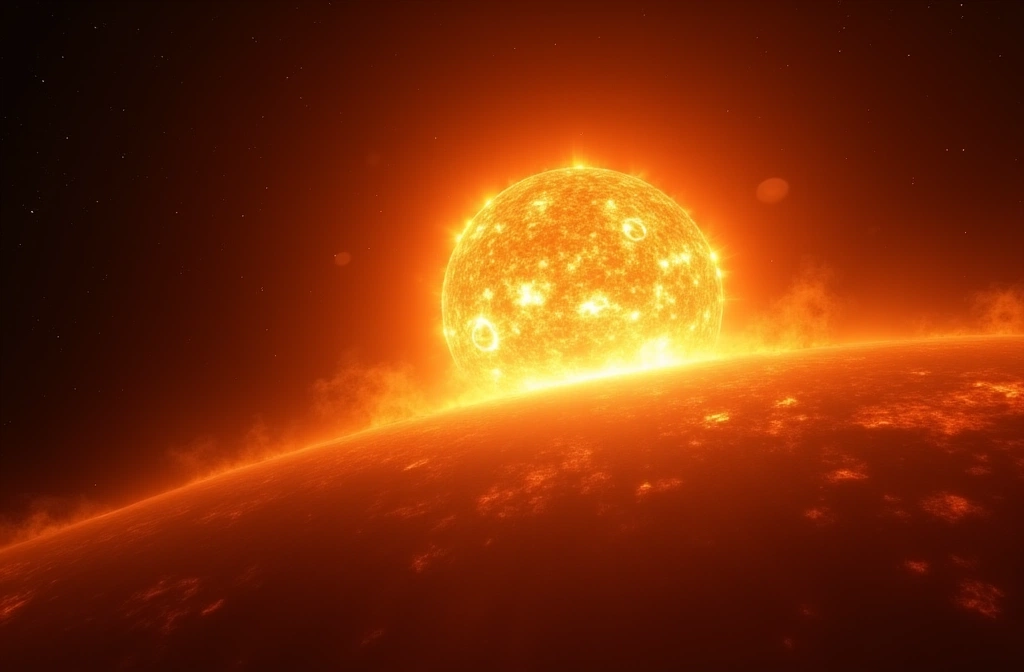
NOAA Forecasts Geomagnetic Disturbance Within 24 Hours
The National Oceanic and Atmospheric Administration's Space Weather Prediction Center has issued a preliminary forecast for geomagnetic activity in late summer. Low-severity magnetic storms pose minimal grid and communications risk, but mark a tracking window worth monitoring.
 AI Generated — EMPSurvive.com
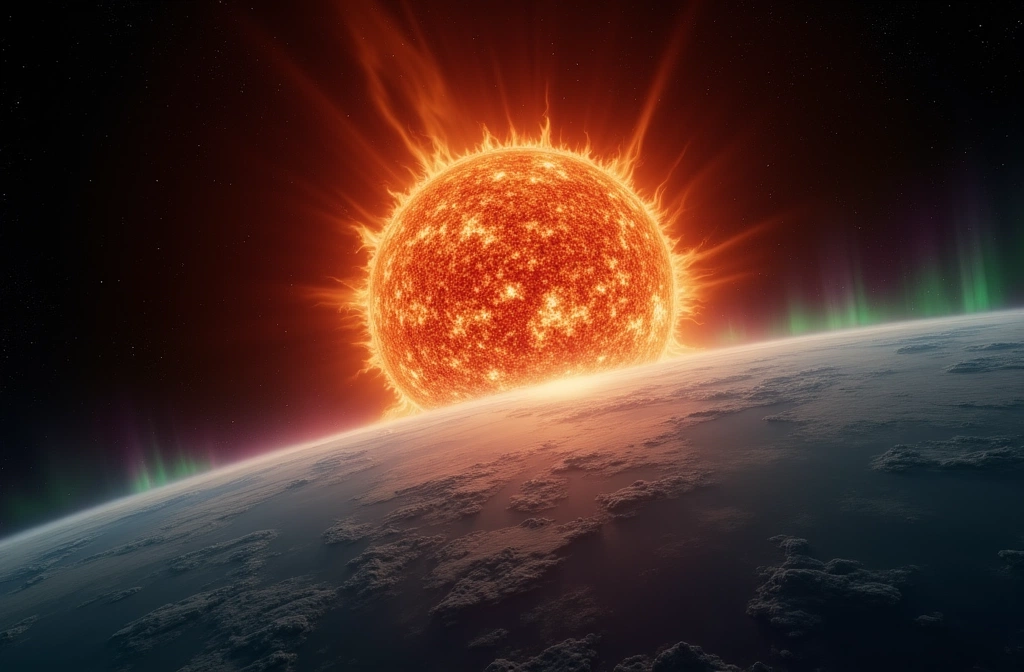
M-Class Flare Triggers Inbound CMEs; G1 Geomagnetic Storm Watch Active
NOAA's Space Weather Prediction Center is tracking two faint coronal mass ejections (CMEs) en route to Earth following an M-class solar flare. Minor geomagnetic storms are possible over the coming day.
 AI Generated — EMPSurvive.com
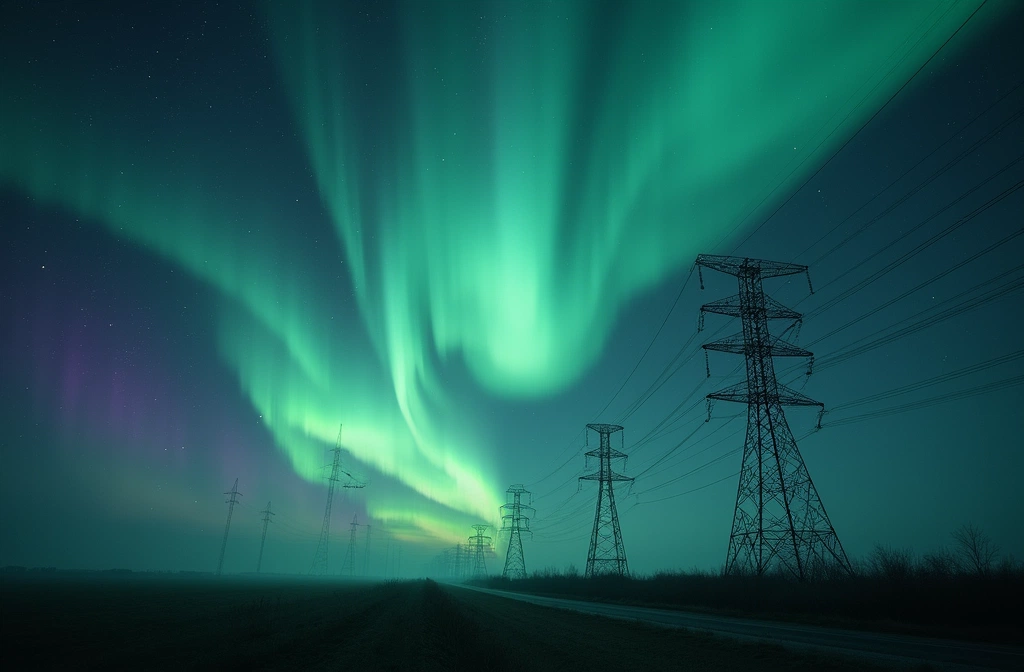
NOAA Tracks Inbound CMEs: G1 Geomagnetic Storm Watch Active
NOAA's Space Weather Prediction Center has identified multiple coronal mass ejections (CMEs) en route to Earth. Models suggest minor geomagnetic disturbances are possible over the next 24 hours.
 AI Generated — EMPSurvive.com
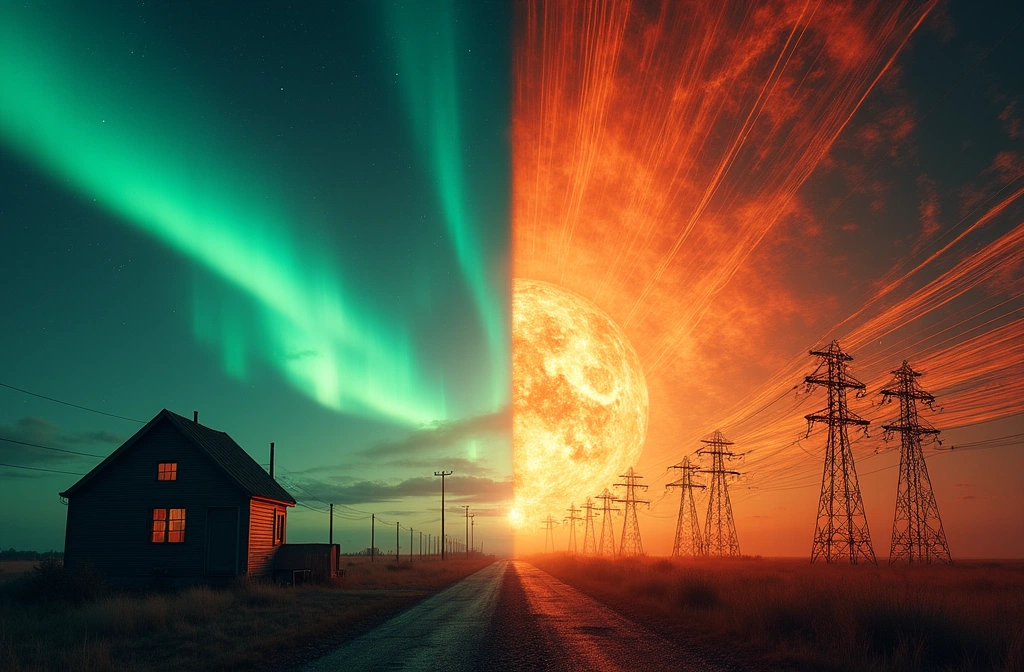
NOAA Issues G2-G3 Watch: Stronger Geomagnetic Storm Incoming July 29-31
A CME from July 24 is already delivering G1-G2 conditions across North America. NOAA is now tracking a more powerful follow-on wave driven by merged solar material that could push geomagnetic disturbance into the G2-G3 range by week's end.
 AI Generated — EMPSurvive.com
1859 Carrington Event: Why Modern Grids Remain Vulnerable to Solar Storms
The 1859 solar storm that lit up Cuban skies and powered telegraph wires without batteries proves Earth faces recurring geomagnetic threats. Modern infrastructure improvements since 1989 have helped—but vulnerabilities persist.