Intel Flash124 reports
Breaking preparedness intelligence — curated and analyzed by Morgan Reed.

 AI Generated — EMPSurvive.com
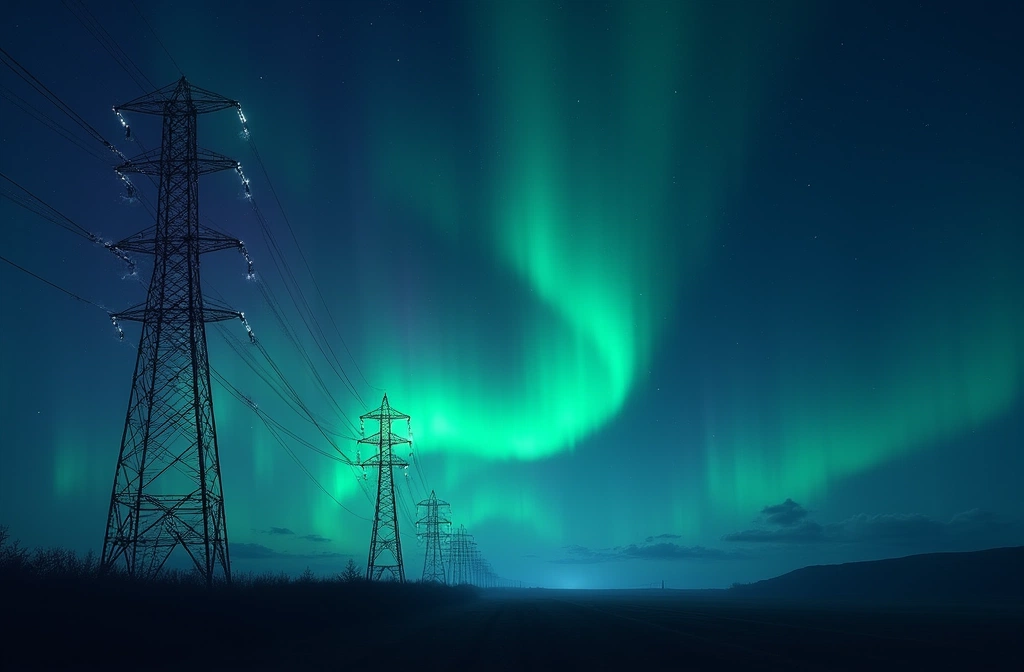
CME Inbound: Kp 4–6 Storm Expected, Grid Impact Low But Monitor Shock Front
A coronal mass ejection is headed toward Earth with a predicted shock front arrival around 19:56 UTC on July 26, according to solar monitoring data. Geomagnetic storm potential is modest, but the two-phase impact—shock followed by sustained CME material—warrants baseline awareness.
 AI Generated — EMPSurvive.com
CME Glancing Blow Expected: NOAA Models G1 Geomagnetic Storm Tonight
Two coronal mass ejections launched by the sun on July 20–21 are forecast to deliver a glancing impact to Earth's magnetosphere today, potentially triggering minor geomagnetic disturbances. NOAA models suggest G1-level activity is possible.
 AI Generated — EMPSurvive.com
Grid-Tied Solar Doesn't Backup Power: Why Businesses Need Battery-Backed Systems
Most commercial solar installations won't function during grid outages due to inverter design—a critical gap between energy independence marketing and actual resilience.
 AI Generated — EMPSurvive.com
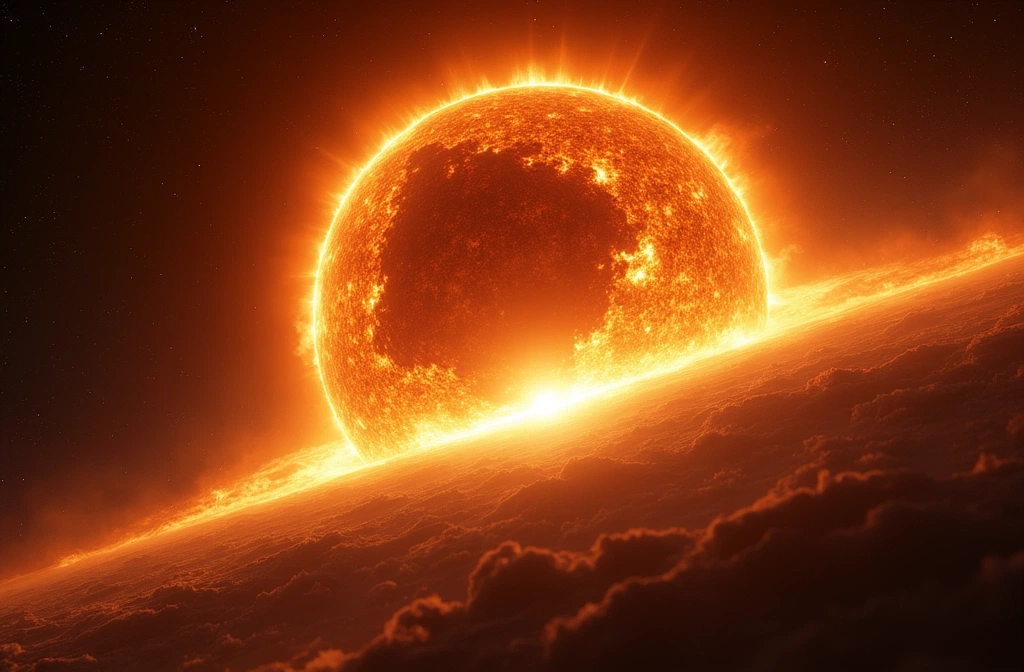
G1 Geomagnetic Storm Active: UNH Study Links Solar Events to Rocky Mountain Rainfall Suppression
NOAA has confirmed a G1 geomagnetic storm is underway today. New research suggests solar storms may suppress precipitation over critical U.S. watersheds — a mechanism worth monitoring as solar activity persists.
 AI Generated — EMPSurvive.com
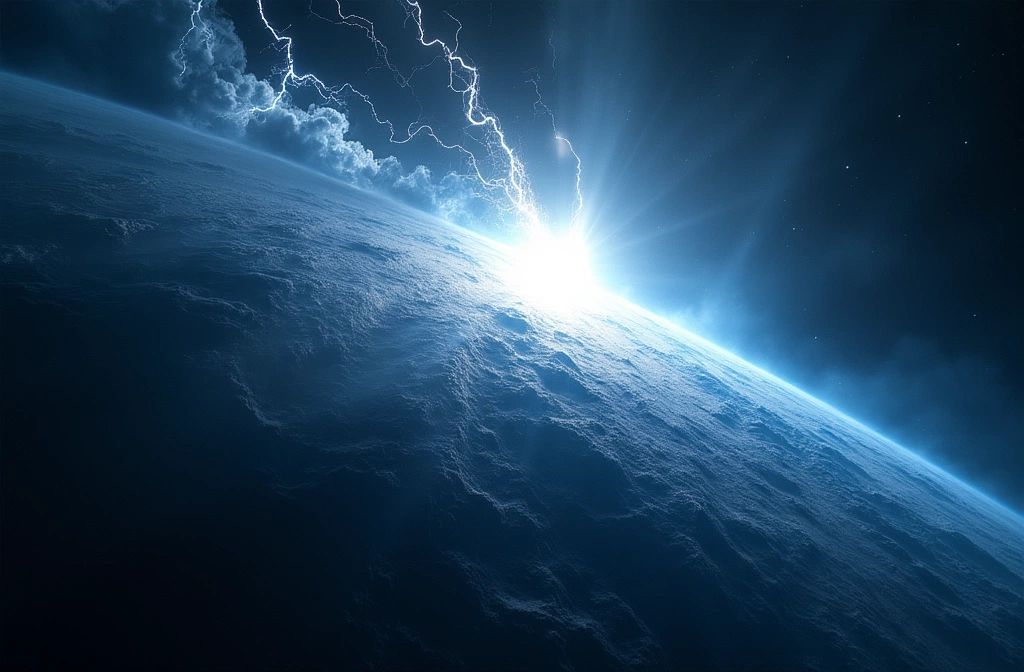
Coronal Hole Triggers G1 Storm: NOAA Tracks Minor Geomagnetic Event
A large coronal hole on the sun has released a fast solar wind stream now arriving at Earth. NOAA and NASA imagery indicates potential for minor geomagnetic storms and auroras on July 22.
 AI Generated — EMPSurvive.com
NASA Study: Solar Storm Damage Has No Ceiling
A NASA study suggests solar storm impacts may exceed previous worst-case models. The finding underscores uncertainty in forecasting extreme space weather threats to grid infrastructure.
 AI Generated — EMPSurvive.com
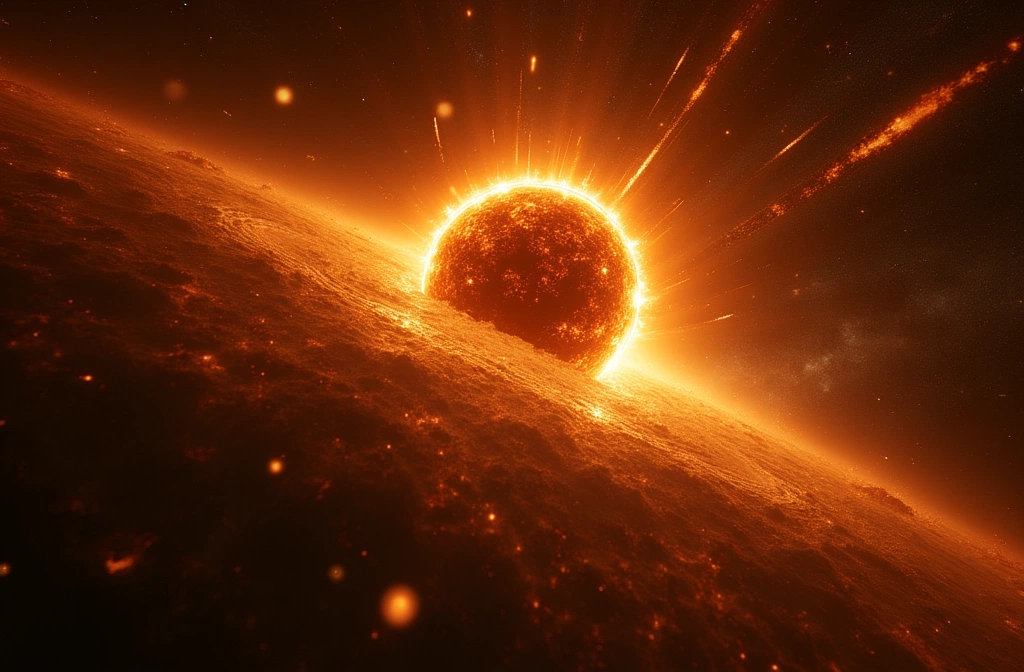
Coronal Hole Drives Solar Wind to 700+ km/s: Aurora Possible Seattle to Oslo
A coronal hole is pushing solar wind speeds past 700 km/s, with potential geomagnetic effects reaching high northern latitudes. NOAA's Space Weather Prediction Center is tracking real-time Kp index readings and storm-scale alerts as conditions develop.
 AI Generated — EMPSurvive.com
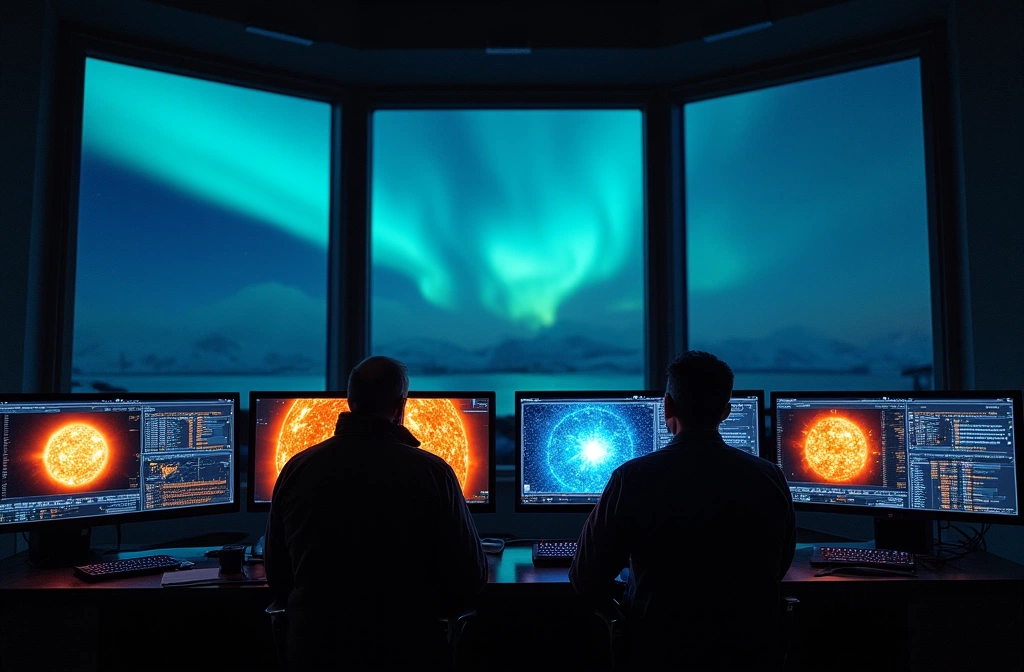
Large Coronal Hole Turning Toward Earth — Solar Wind Impact Possible
A coronal hole on the Sun is rotating into Earth-facing position, potentially increasing solar wind density and particle flux. This is a low-severity event, but it warrants baseline awareness for grid and communications operators.
 AI Generated — EMPSurvive.com
CME Arrives Below Storm Threshold; Solar Monitoring Continues
A coronal mass ejection fired from the Sun on July 10 reached Earth, but remained below G1 minor geomagnetic storm levels. Activity in the target sunspot region continues to warrant tracking.