Intel Flash 160 reports
Breaking preparedness intelligence — curated and analyzed by Morgan Reed.

 EarthSky | Updates on your cosmos and world

 M-Class Flare from AR4455: Solar Activity Uptick, Geomagnetic Conditions Remain Benign
A newly emerged sunspot region (AR4455) produced an M-class solar flare on May 26, 2026. Current geomagnetic conditions remain quiet, but the source region warrants continued monitoring.
Hybrid Solar Systems Gain Traction: Grid-Tied with Battery Backup During Blackouts
Hybrid solar installations—combining grid connection with battery storage—are emerging as a practical response to unpredictable power outages, particularly in markets like India. The technology isolates safely from the utility network during blackouts while maintaining power to selected appliances.
 The Watchers
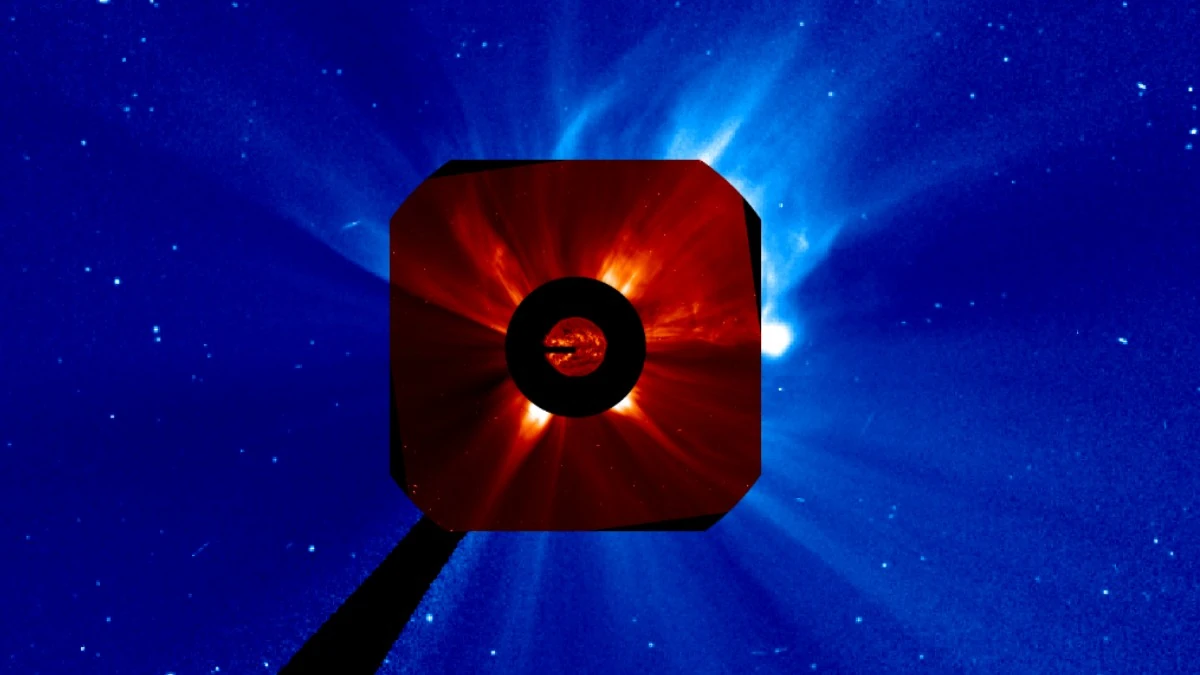
 S1 Solar Radiation Storm Follows Far-Side CME; Grid Resilience Test Underway
A minor solar radiation storm reached S1 levels on May 26, 2026, triggered by a large coronal mass ejection from the Sun's far side. While brief, the event underscores how blind-side solar activity can still pierce Earth's defenses.
 TicosLand | Costa Rica News in English
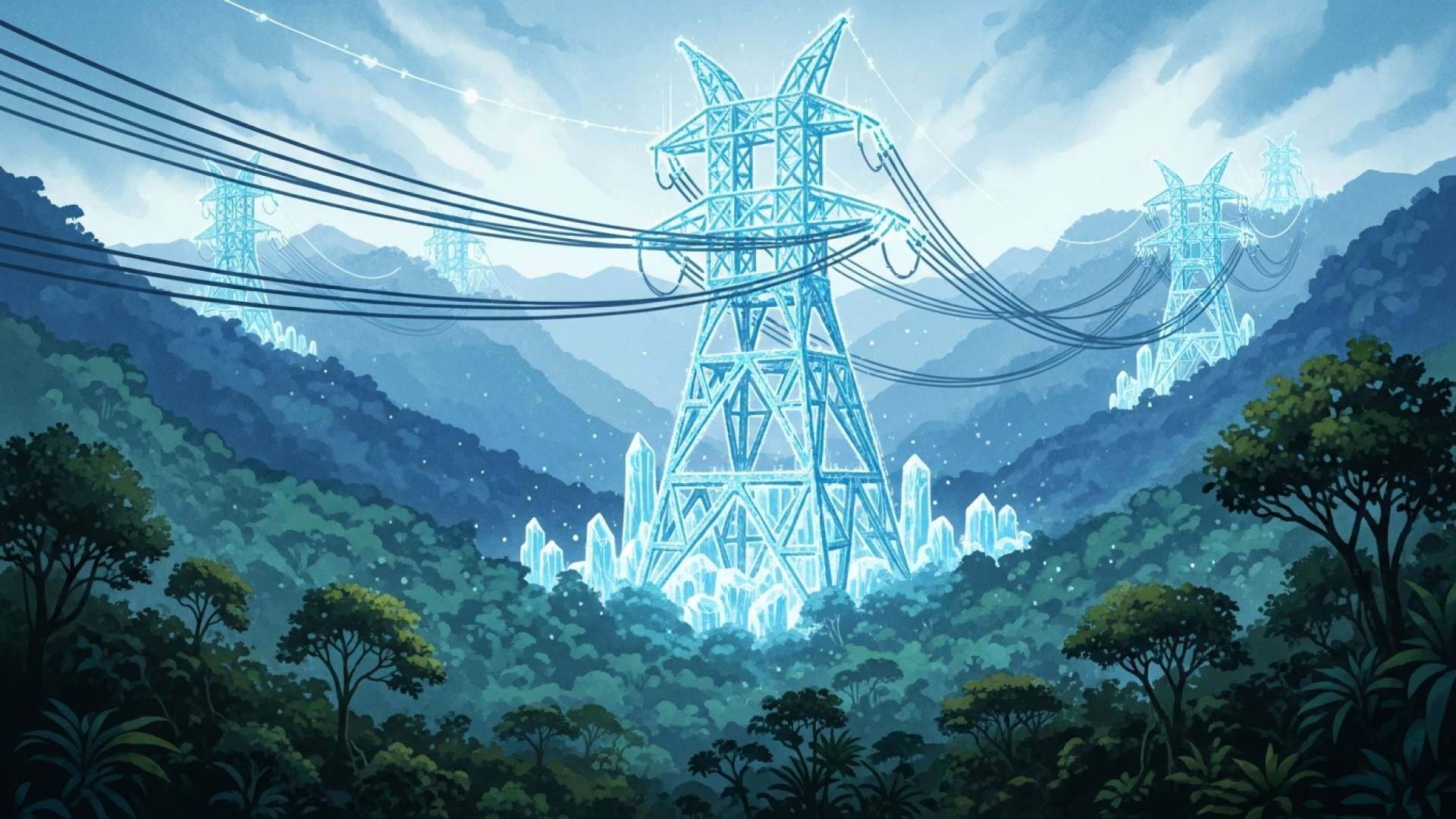
 Costa Rica Grid Upgrade Plan: ICE Responds to Blackout Concerns
Costa Rica's state utility ICE has announced a multi-year infrastructure plan addressing blackout risks. The initiative combines renewable expansion with grid maintenance—a signal that grid vulnerability concerns are reaching policy level across Central America.
 AI Generated — EMPSurvive.com
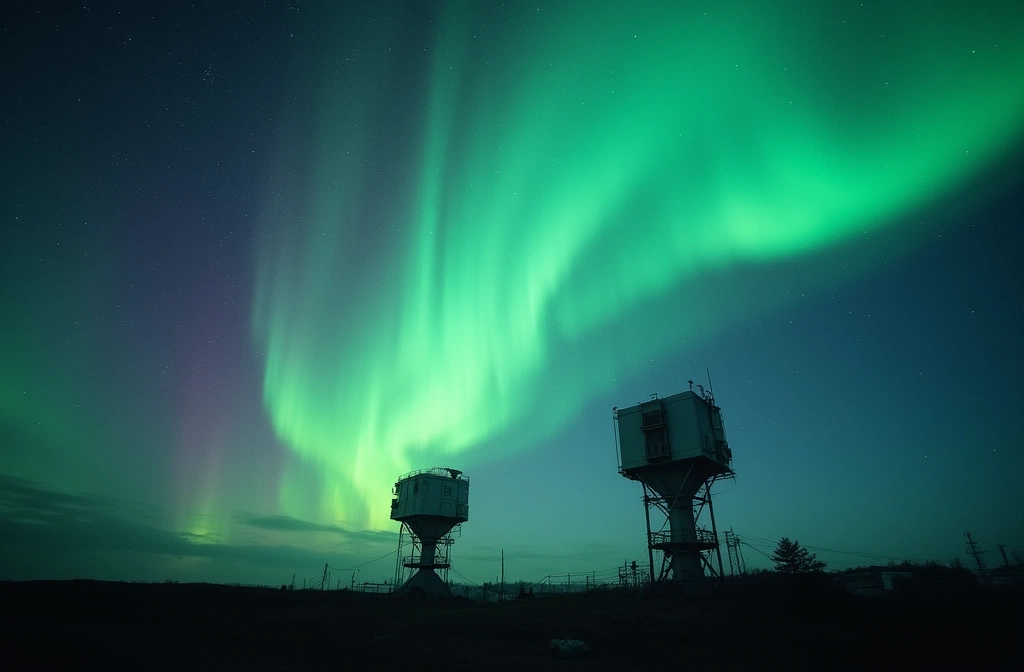
 Solar Radiation Risk Drops: NOAA Forecasts Low Storm Threat May 27-29
NOAA's Space Weather Prediction Center has downgraded near-term solar radiation risk to minimal levels, with geomagnetic storm probability near zero through May 29. Current conditions show brief elevated radiation that has already begun subsiding.
 AI Generated — EMPSurvive.com
 Solar Storm Models Challenged: Japanese Aurora Data Reveals Stronger Geomagnetic Penetration Than Expected
Researchers analyzing unusual red auroras over Japan discovered geomagnetic storm energy reaching hundreds of miles higher into the atmosphere than current models predicted. This gap between expectation and reality signals potential blind spots in how we assess solar storm impacts on critical infrastructure.
 AI Generated — EMPSurvive.com
 Coronal Hole Solar Wind Stream: G1 Geomagnetic Storm Possible May 26–27
A coronal hole on the Sun is releasing high-speed solar wind expected to arrive late May 26 into May 27, with potential to trigger minor geomagnetic disturbances. Current solar activity remains subdued, but conditions are shifting.
 AI Generated — EMPSurvive.com
 NOAA: G1-G2 Geomagnetic Storm Possible May 18-19 from CME Glancing Blow
NOAA's Space Weather Prediction Center is tracking a coronal mass ejection that left the sun May 16 and may deliver a glancing blow to Earth's magnetosphere this weekend. Minor geomagnetic storm conditions (G1-G2) are possible, with aurora visible in far northern latitudes.
 AI Generated — EMPSurvive.com
 Minor G1 Geomagnetic Storm May Trigger Aurora Visibility Across 10 U.S. Border States
NOAA has issued a G1-level geomagnetic storm forecast through May 19, driven by high-speed solar wind from a coronal hole. Northern lights may be visible across parts of Washington, Idaho, Montana, and other northern U.S. states tonight and into Monday.