Intel Flash124 reports
Breaking preparedness intelligence — curated and analyzed by Morgan Reed.

 AI Generated — EMPSurvive.com
Nature Study Challenges Geomagnetic Storm Saturation Ceiling
A new analysis published in Nature questions whether geomagnetic storms have a hard upper limit on intensity. The finding could reshape how space weather forecasters model extreme storm risk.
 AI Generated — EMPSurvive.com
CME Impact Subdued: July 10 Solar Event Falls Short of Minor Storm Threshold
A coronal mass ejection expected to trigger geomagnetic disruptions arrived as forecast but failed to reach even minor storm intensity. The gap between prediction and reality signals monitoring gaps worth understanding.
 AI Generated — EMPSurvive.com
GOES-19 Satellite Offline: NOAA Investigates Geostationary Operations Impact
NOAA's newest weather satellite has gone down, triggering an investigation into what caused the failure. The loss of GOES-19 reduces real-time monitoring capacity for weather, space weather, and environmental data across North America.
 AI Generated — EMPSurvive.com
NASA Study: Extreme Solar Storm Effects May Be Larger Than Models Predicted
Research published in Nature suggests current forecasting models may underestimate the intensity of extreme geomagnetic storms. This raises critical questions about infrastructure vulnerability assessments.
 AI Generated — EMPSurvive.com
CME Impact Forecast: G1 Storm Escalating, Grid Monitoring Active
A coronal mass ejection launched July 10 is tracking toward Earth and could deliver a glancing blow late today or early tomorrow, following an already-active geomagnetic field. NOAA data confirms minor storm conditions are developing.
 AI Generated — EMPSurvive.com
NOAA Issues Minor Geomagnetic Storm Alert From Incoming CME
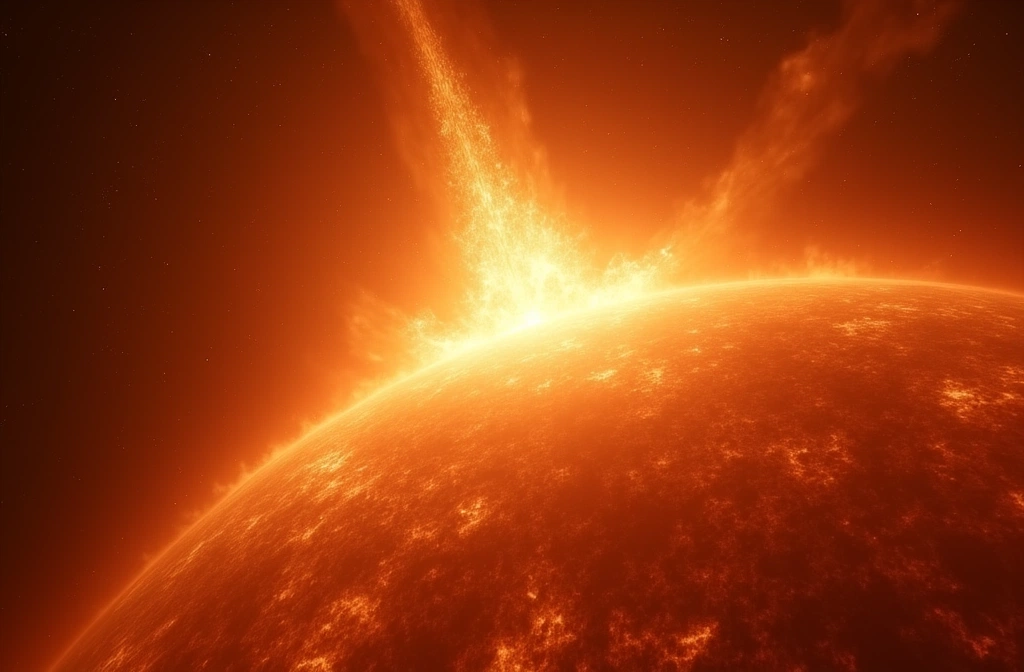
NOAA has forecasted a minor geomagnetic storm from an incoming coronal mass ejection. While classified as low severity, this represents a live reminder that solar activity can disrupt grid stability and communications without warning.
 AI Generated — EMPSurvive.com
Coronal Mass Ejection Detected: Plasma Cloud Crossing 150M km in 18 Hours
A coronal mass ejection has launched roughly a trillion kilograms of charged plasma toward Earth, with the fastest clouds capable of crossing 150 million kilometers in under 18 hours, according to ScienceBlog.com. Current severity is low, but tracking systems remain active.
 AI Generated — EMPSurvive.com
G1 Geomagnetic Storm Watch: CME Impact Expected This Weekend
A coronal mass ejection launched from the Sun on July 9 may deliver a glancing blow to Earth's magnetosphere this weekend, with NOAA forecasting a minor (G1) geomagnetic storm. While low-severity, the event underscores why baseline space weather monitoring matters.
 AI Generated — EMPSurvive.com
G1 Geomagnetic Storm Expected This Weekend—Aurora Display, No Grid Risk
NOAA is tracking a G1-class geomagnetic storm forecast for Friday night through Saturday. This is a visibility event, not an infrastructure threat—but it signals continued solar volatility worth monitoring.