Intel Flash68 reports
Breaking preparedness intelligence — curated and analyzed by Morgan Reed.

 NASA Science
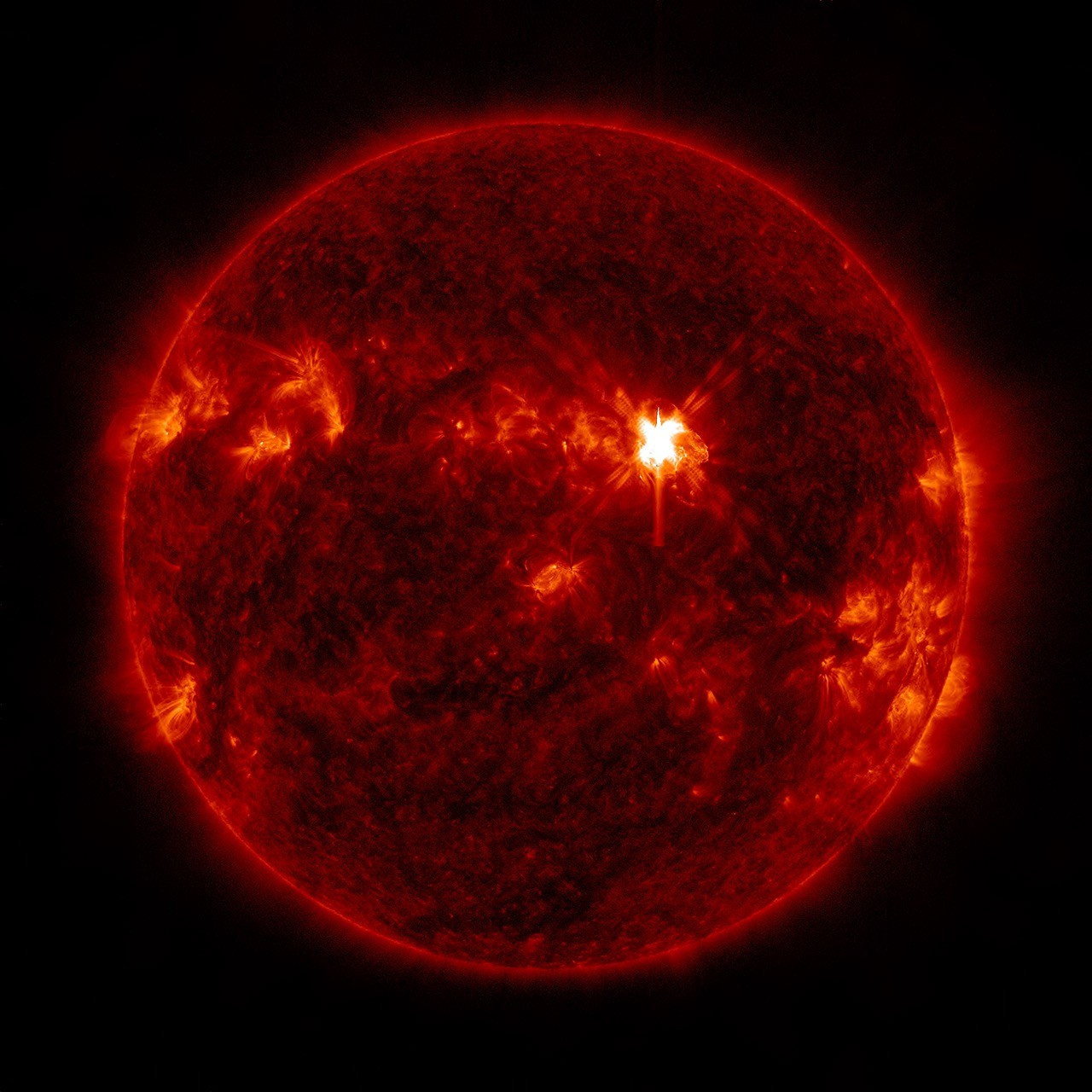
NASA Observes Strong Solar Flare — Monitor for Coronal Mass Ejection Follow-up
NASA's Solar Dynamics Observatory captured a strong solar flare peaking at 7:28 a.m. ET on June 3, 2026. The critical next indicator: whether a coronal mass ejection accompanied the event and its trajectory toward Earth.
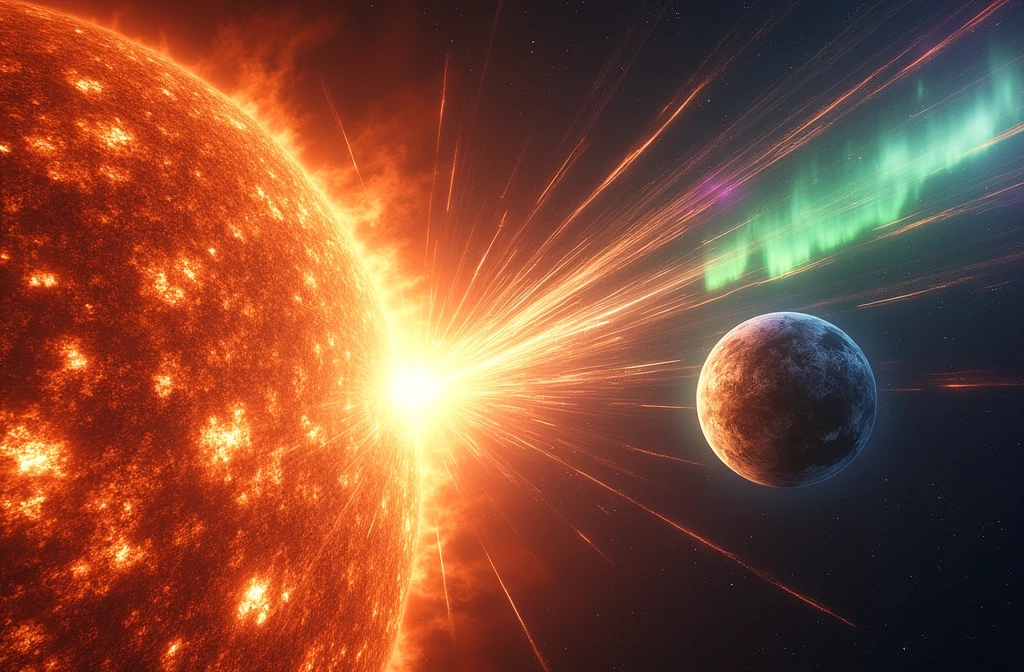
NOAA Issues G2 Geomagnetic Storm Watch for Early Next Week
NOAA has issued a G2 geomagnetic storm watch ahead of early next week, driven by elevated solar wind conditions. This is a medium-severity alert with real infrastructure implications for power grids, satellite operations, and communications systems.
 AI Generated — EMPSurvive.com
NOAA: G1-G2 Geomagnetic Storm Possible May 18-19 from CME Glancing Blow
NOAA's Space Weather Prediction Center is tracking a coronal mass ejection that left the sun May 16 and may deliver a glancing blow to Earth's magnetosphere this weekend. Minor geomagnetic storm conditions (G1-G2) are possible, with aurora visible in far northern latitudes.
 AI Generated — EMPSurvive.com
Geomagnetic Storm Peak Saturday: NOAA Forecasts Aurora Display Across North America
A moderate geomagnetic storm is moving across North America this weekend, with peak intensity expected Saturday night. NOAA has confirmed the event—here's what you need to know about timing, visibility, and what happens when solar activity affects your region.
 AI Generated — EMPSurvive.com
G1-G2 Geomagnetic Storm Underway: Solar Wind Impact Confirmed
NOAA has confirmed G1 (minor) and G2 (moderate) geomagnetic storming following strong solar wind arrival on May 16. This is the first multi-tier storm activity of the current solar cycle phase—watch for grid and communications stress.
 AI Generated — EMPSurvive.com
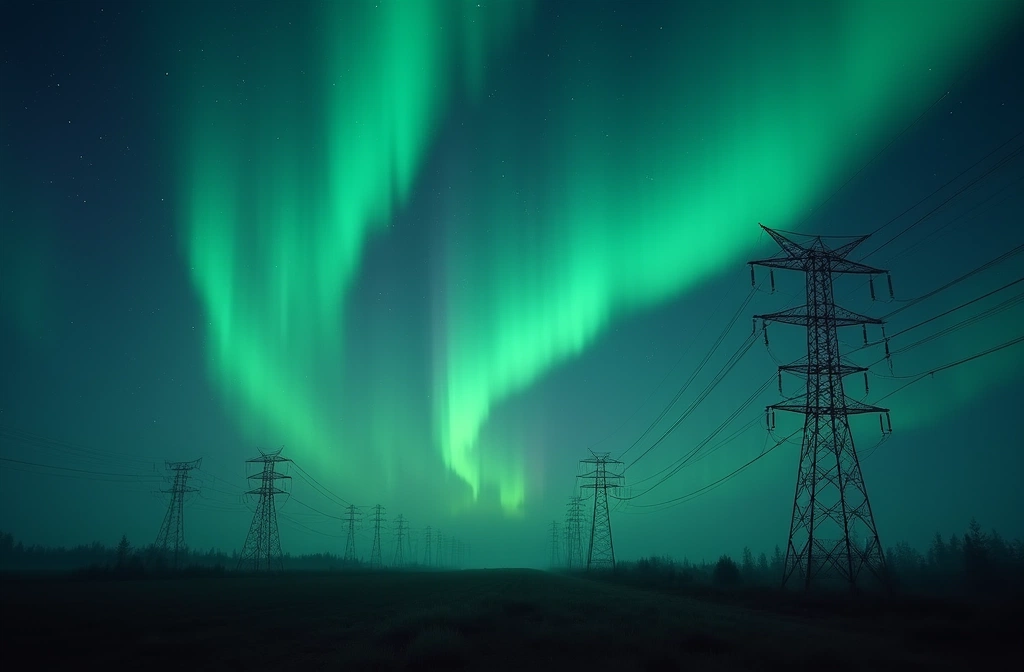
Geomagnetic Storm Watch: Aurora Visible South, HF Disruptions Likely
A solar stream is expected to hit Earth's magnetic field this weekend, potentially triggering weak to minor geomagnetic disturbances. NOAA space-weather forecasters are monitoring for HF radio impacts on the sunlit side of the planet.
 AI Generated — EMPSurvive.com
Large Coronal Hole Targets Earth: G2 Geomagnetic Storm Possible May 15
A large coronal hole has rotated into Earth-facing position, and fast solar wind from it is expected to arrive as early as May 15. NOAA data suggests moderate (G2-level) geomagnetic storming may follow.
 AI Generated — EMPSurvive.com
NOAA Issues G2 Geomagnetic Storm Watch: May 10-11 Space Weather Event
NOAA's Space Weather Prediction Center has issued a G2 moderate geomagnetic storm watch for May 10, followed by a G1 minor storm watch for May 11, triggered by a coronal mass ejection from an M1 solar flare. This is the first multi-day storm sequence of the season.
 AI Generated — EMPSurvive.com
NOAA Tracks G1-G2 Geomagnetic Storm: May 2026 Space Weather Event
A weakening geomagnetic storm is generating G1 to G2 level disturbances across northern latitudes, according to NOAA's Space Weather Prediction Center. While currently in decline, the event underscores the need for sustained grid and communications monitoring.