Intel Flash 160 reports
Breaking preparedness intelligence — curated and analyzed by Morgan Reed.

 AI Generated — EMPSurvive.com
 G2 Geomagnetic Storm Strikes Earth; M-Class Flare Observed from Solar Far Side
A moderate geomagnetic storm (G2) impacted Earth's magnetic field on May 5, 2026, following an M-class solar flare from the sun's far side. While not severe, the event underscores the reality of space weather risk and the need for baseline situational awareness.
 AI Generated — EMPSurvive.com
 G2 Geomagnetic Storm Continues: NOAA Tracks Solar Wind Effects Through May 7
Earth is experiencing lingering geomagnetic storm conditions from a May 4 coronal mass ejection, with NOAA reporting potential intensification as high-speed solar wind approaches. This is the third significant auroral event in one week.
 AI Generated — EMPSurvive.com
 G1 Geomagnetic Storm Possible as Powerhouse Sunspot Region Returns
A returning sunspot region is generating solar activity with a slight chance of minor geomagnetic disruption through May 9. This is your operational window to verify grid and communications readiness.
 AI Generated — EMPSurvive.com
 NOAA: No Major Geomagnetic Storms Expected May 6-9; Solar Risk Minimal
NOAA's Space Weather Prediction Center is forecasting a quiet solar environment through early May, with near-zero probability of significant geomagnetic or radiation events. This represents a low-risk window — but sustained monitoring remains essential.
 AI Generated — EMPSurvive.com
 G2 Geomagnetic Storm Hits Overnight; Grid Stability Maintained
A moderate G2 geomagnetic storm struck Earth's magnetosphere overnight, according to NOAA data cited by EarthSky. No widespread infrastructure disruptions reported, but the event underscores persistent solar weather risk.
 AI Generated — EMPSurvive.com
 G1 Geomagnetic Storm Possible: Solar Wind Surge Arrives Thursday
High-speed solar wind from a coronal hole is expected to reach Earth on April 30, potentially pushing geomagnetic activity into unsettled-to-active levels. Minor storm conditions are possible.
 AI Generated — EMPSurvive.com
 G2 Geomagnetic Storm May Extend Aurora to 10 U.S. States Wednesday
A moderate geomagnetic storm could push northern lights visibility as far south as Oregon, Wyoming, and the Northeast. While auroras are a visual phenomenon, they signal the solar activity that can stress power grids and communications infrastructure.
 AI Generated — EMPSurvive.com
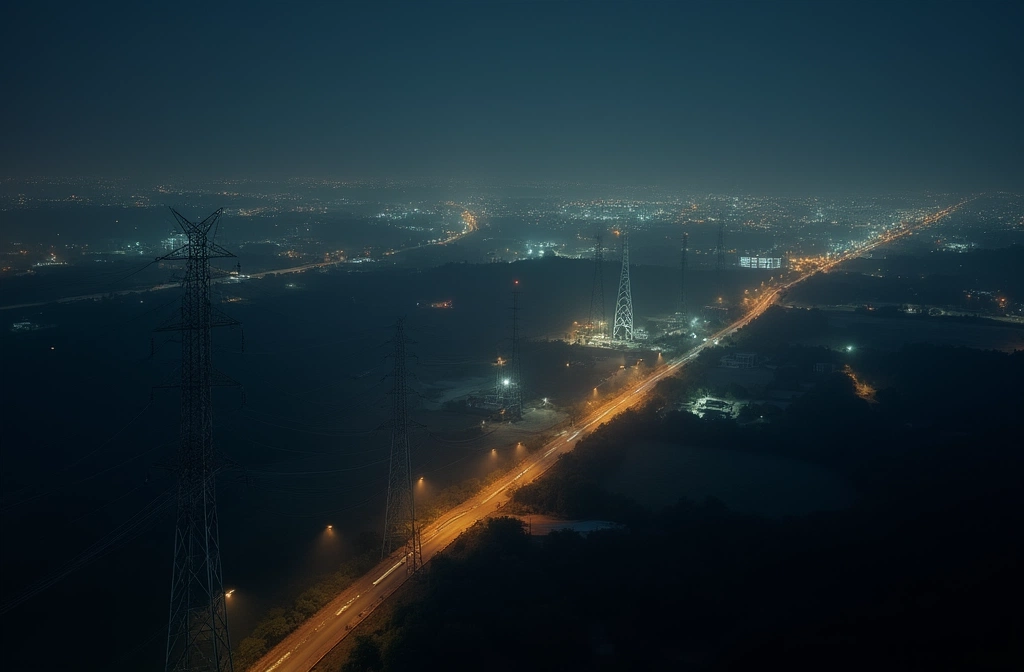
 India's Grid Under Stress: 256 GW Peak Demand Exposes Night-Time Vulnerability
India's power demand has hit a record 256 GW in April as a heatwave drives consumption, but night-time shortfalls are emerging due to solar generation collapse and forced plant outages. Grid operators face a structural mismatch between peak hours and available supply.
 AI Generated — EMPSurvive.com
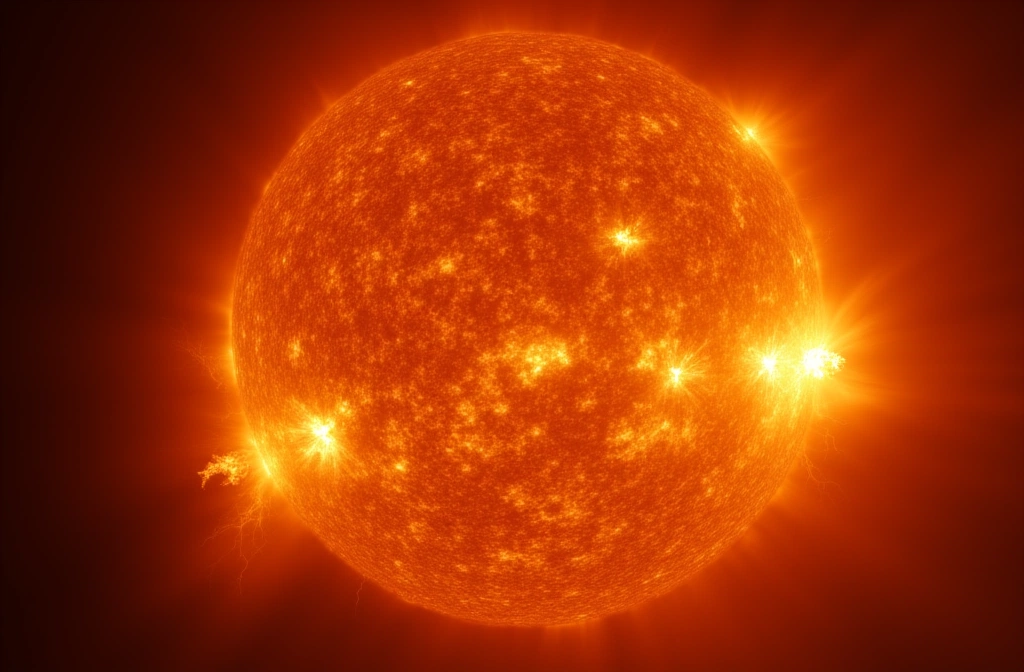
 M-Class Flare Risk Elevated Through April 29 From Active Solar Regions
Two active solar regions are generating sustained M-class flare risk through late April, with NOAA forecasting a 10% daily probability of S1-level solar radiation storms. Current conditions remain below alert thresholds, but the window for escalation is open.