Intel Flash79 reports
Breaking preparedness intelligence — curated and analyzed by Morgan Reed.

 AI Generated — EMPSurvive.com
NOAA Issues G3 Geomagnetic Storm Alert for Monday; Grid and Comms Risk
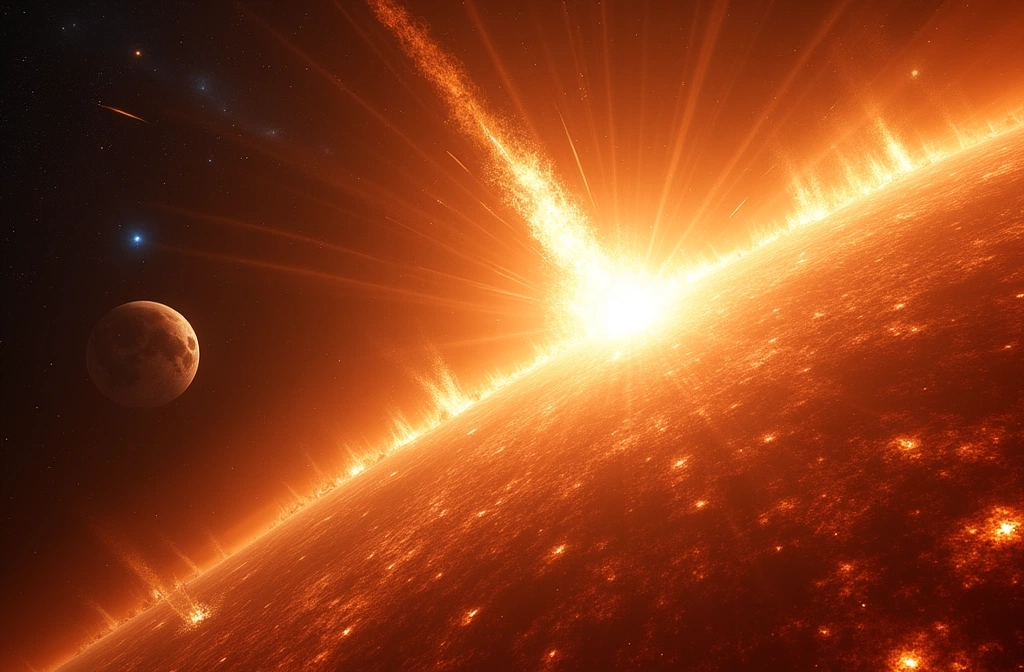
NOAA has forecasted a strong G3-level geomagnetic storm arriving Monday, triggered by a solar blast from June 6. This is the kind of event that tests grid stability and communications infrastructure in real time.
 AI Generated — EMPSurvive.com
G3 Geomagnetic Storm Watch: CME Impact Expected Mid-June
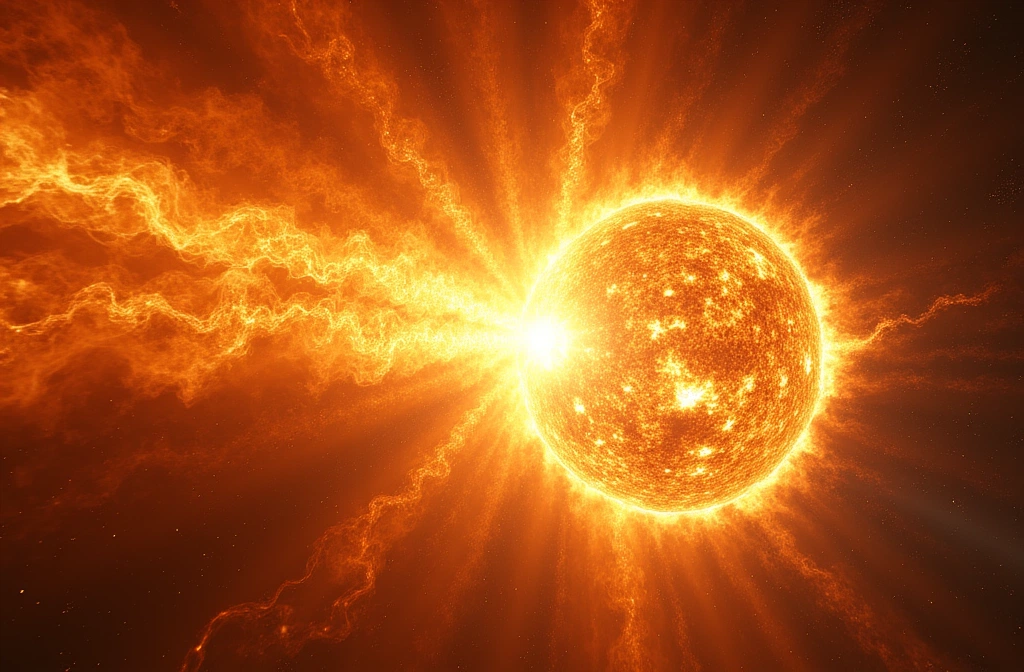
A coronal mass ejection from an M1.8 solar flare is on approach, with NOAA and international agencies issuing G3-STRONG geomagnetic storm watches for Monday/Tuesday. Higher-latitude power systems and communications networks should be on alert.
 AI Generated — EMPSurvive.com
G3 Geomagnetic Storm Hits Earth: Grid & Comms Risk Active
A fast coronal mass ejection triggered a strong G3 geomagnetic storm, now impacting Earth's magnetosphere. Power grids, satellite communications, and GPS systems face measurable disruption risk over the next 24–48 hours.
 AI Generated — EMPSurvive.com
NOAA Warns G3 Geomagnetic Storm: CME Expected to Spark Northern Lights Tonight
An Earth-bound coronal mass ejection is forecast to trigger G3-level geomagnetic storm conditions on June 8, according to NOAA. Northern US observers may see aurora activity; infrastructure operators should monitor grid and communications systems.
 AI Generated — EMPSurvive.com
G3 Geomagnetic Storm Watch: CME Impact Expected Today
A moderate solar flare triggered a coronal mass ejection (CME) on June 6 that is now bearing down on Earth, with arrival expected by midday UTC today. NOAA and the UK Met Office have issued a G3 (strong) geomagnetic storm watch.
 AI Generated — EMPSurvive.com
NOAA Issues G3 Geomagnetic Storm Watch After June 6 Solar Blast
NOAA has issued a watch for a G3-level geomagnetic storm triggered by a solar event on June 6. This is the strongest forecasted activity in the current cycle and warrants attention to grid and communications systems.
 AI Generated — EMPSurvive.com
Taiwan CWA Issues 21-Hour Geomagnetic Storm Warning
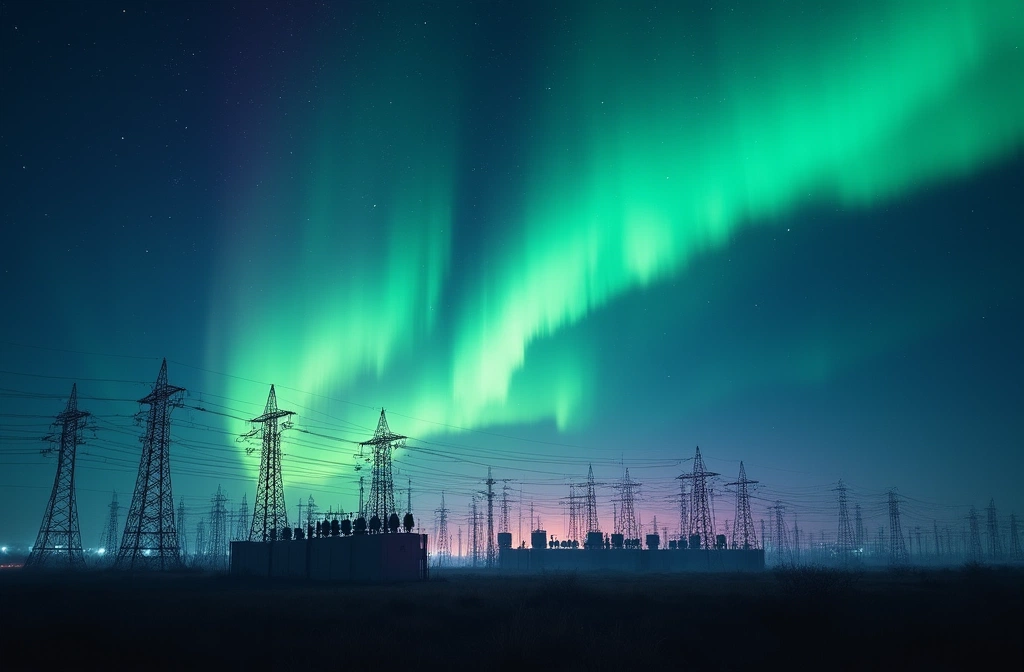
Taiwan's Central Weather Administration has issued a 21-hour geomagnetic storm warning. This is an active solar threat with potential impact on regional communications and power infrastructure.
 AI Generated — EMPSurvive.com
NOAA Confirms G3 Geomagnetic Storm Watch for June 4–5 UTC
NOAA Space Weather Prediction Center has issued an active G3-level geomagnetic storm watch for 4–5 June UTC, following R2 radio blackout conditions already observed on 3 June. This is a strong storm event requiring infrastructure and communications vigilance.
 SpaceWeatherLive.com
G3 Geomagnetic Storm Watch: Multiple CMEs From Sunspot 4455 Target Earth
SpaceWeatherLive.com and NOAA have issued G3-level geomagnetic storm watches for early June following multiple coronal mass ejections from an Earth-facing sunspot region. Grid operators and satellite operators should activate monitoring protocols now.