Intel Flash1235 reports
Breaking preparedness intelligence — curated and analyzed by Morgan Reed.

 AI Generated — EMPSurvive.com
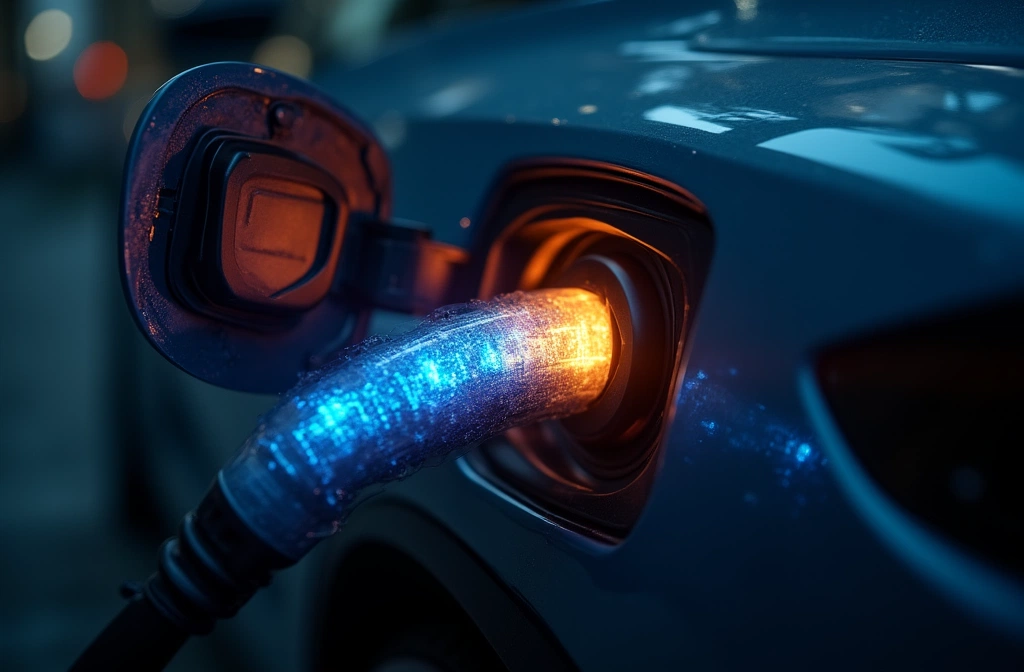
GM Deploys Bidirectional EV Charging: Grid Resilience or New Attack Surface?
General Motors is integrating bidirectional charging capability across its vehicle lineup and offering home energy packages tied to this technology. The move signals accelerating convergence between transportation and grid infrastructure—creating both resilience opportunities and potential vulnerabilities.
 AI Generated — EMPSurvive.com
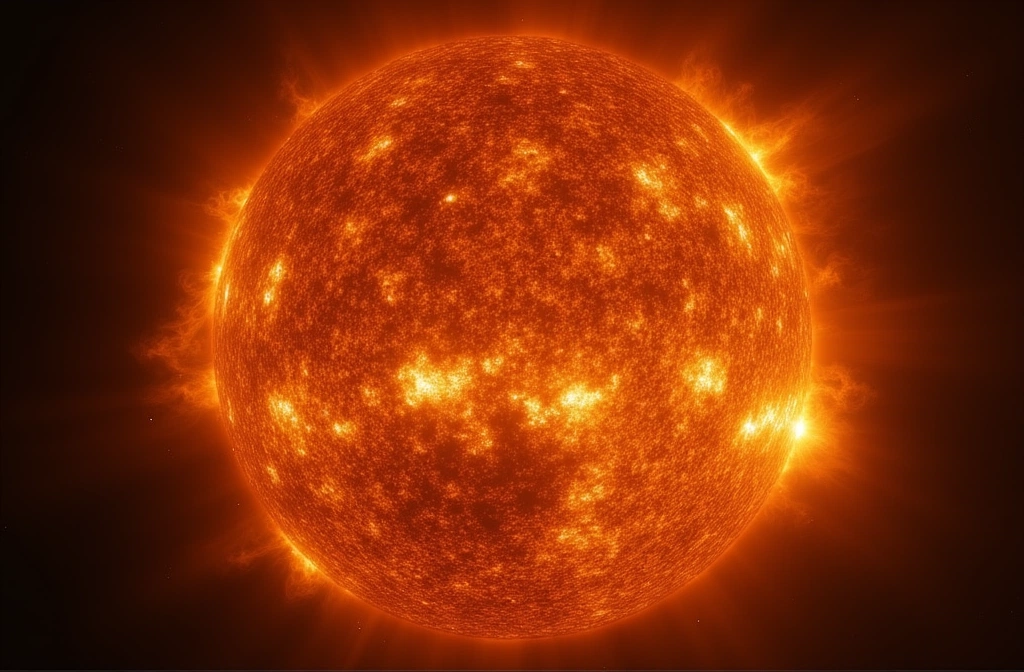
Russian Warning: Extended Solar Activity Period Ahead
Russians are warning of a prolonged period of intense solar activity beginning in the near future. While details remain limited, the claim warrants monitoring given the potential grid and communications implications of sustained geomagnetic disturbance.
 AI Generated — EMPSurvive.com
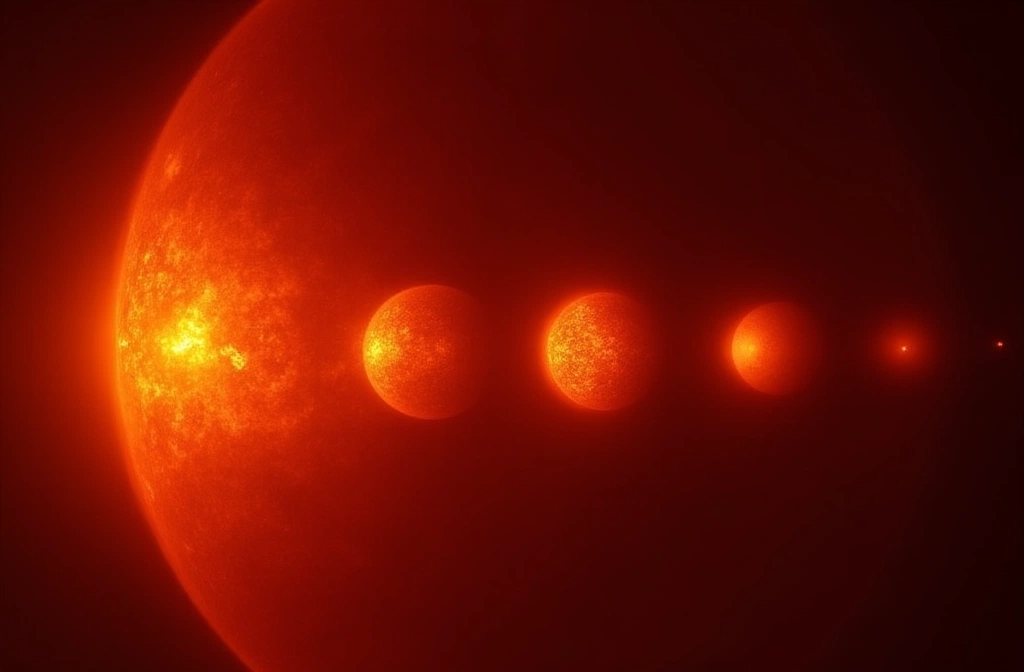
M-Class Flare from AR4464: Geomagnetic Activity Remains Low, No Storm Conditions
Sunspot region AR4464 produced an M-class solar flare on June 17, 2026, but Earth experienced no geomagnetic storm. Current Kp index sits just above level 1—well below alert thresholds.
 AI Generated — EMPSurvive.com
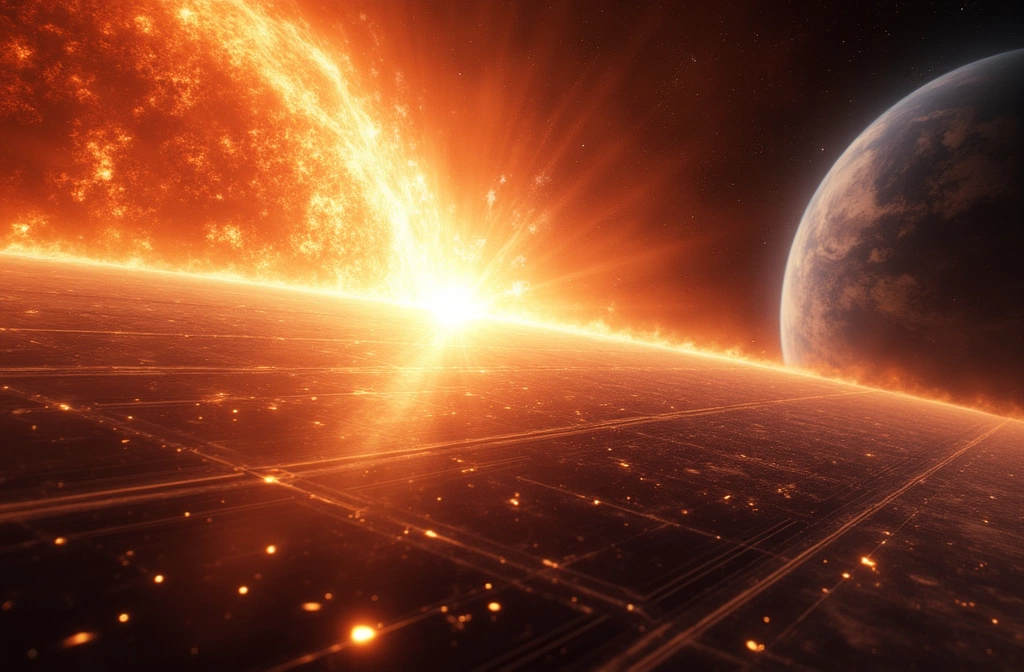
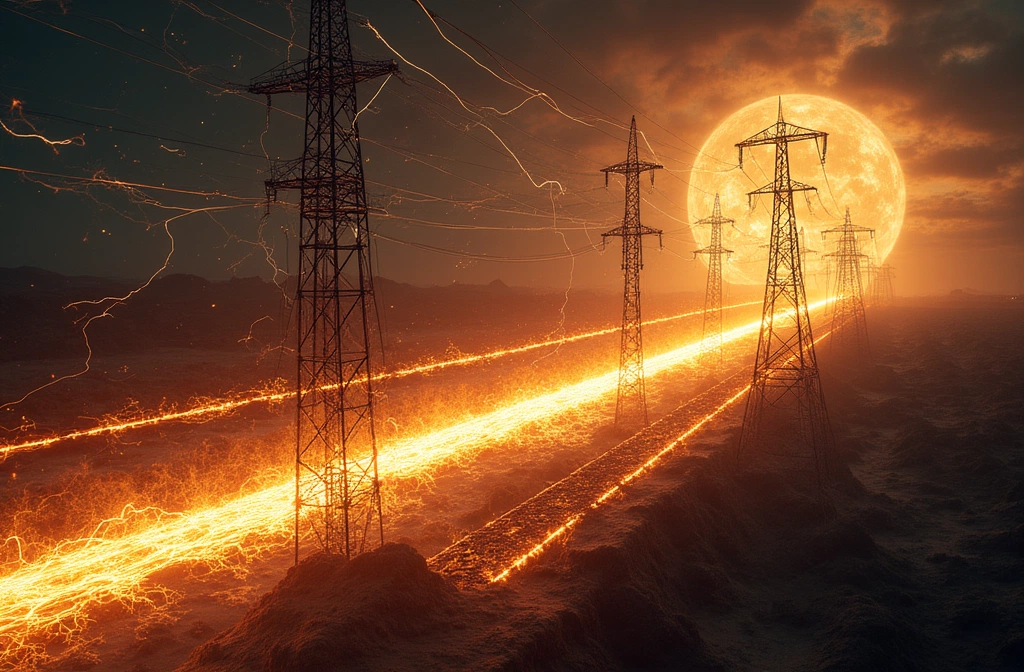
July 2012 Carrington-Class Storm: STEREO-A Data Reveals Near-Miss That Could Have Crippled Earth
On July 23, 2012, a coronal mass ejection of Carrington-class intensity struck NASA's STEREO-A spacecraft head-on—in the exact orbital position Earth had occupied just one week prior. The probe's measurements remain our only direct recording of an extreme solar storm.
 AI Generated — EMPSurvive.com
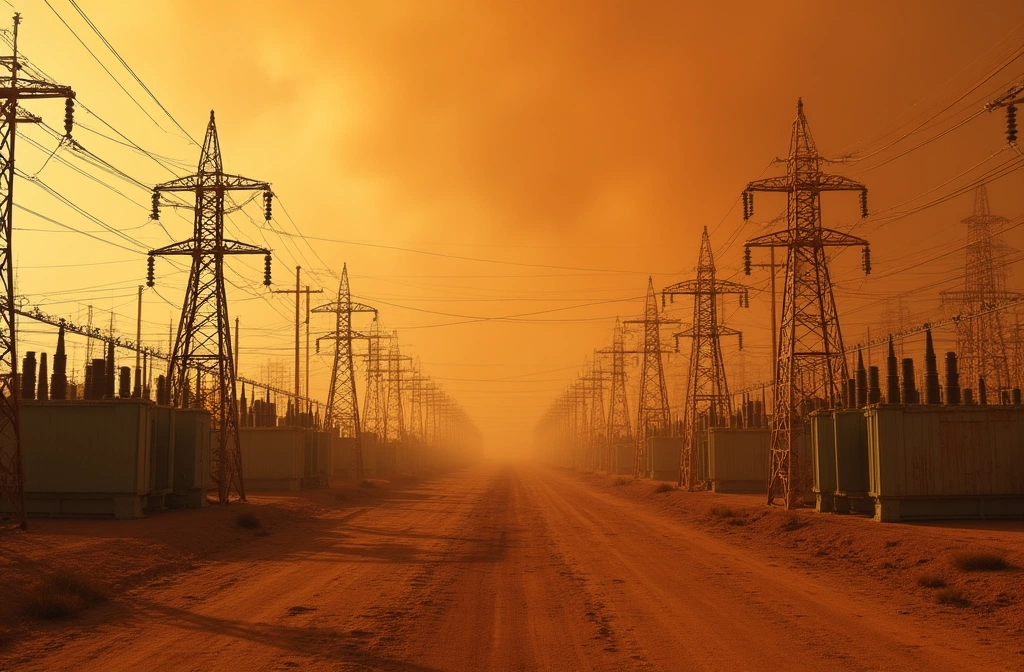
Solar Storms Target Infrastructure, Not People: How Long Conductors Become Damage Vectors
Solar storms don't electrocute individuals—they induce currents in power lines, pipelines, and undersea cables that channel damage into critical infrastructure. Understanding this mechanism is the first step to assessing real grid vulnerability.
 AI Generated — EMPSurvive.com
Summer Blackouts Surge: Heat, Wildfires, Aging Grid Create Compounding Risk
Summer power outages across the US are becoming more frequent and more dangerous, according to CNET. The convergence of heat waves, wildfires, and deteriorating grid infrastructure is narrowing the margin for error.
 AI Generated — EMPSurvive.com
CISA Shifts Strategy: U.S. Accepts Critical Infrastructure Disruptions as Inevitable
The acting CISA chief's public acknowledgment that major critical infrastructure disruptions are inevitable signals a fundamental reorientation in U.S. cybersecurity doctrine—away from prevention and toward resilience. This shift has immediate implications for grid operators, communications providers, and those dependent on their continuity.
 AI Generated — EMPSurvive.com
Solar Storm Mitigation: New Approach Could Reduce Blackout Risk
A massive solar storm remains a credible threat to global electrical infrastructure, but Gwynne Dyer reports on a potential mitigation strategy that could limit widespread outages. The approach deserves serious attention from grid operators and policymakers.
 AI Generated — EMPSurvive.com
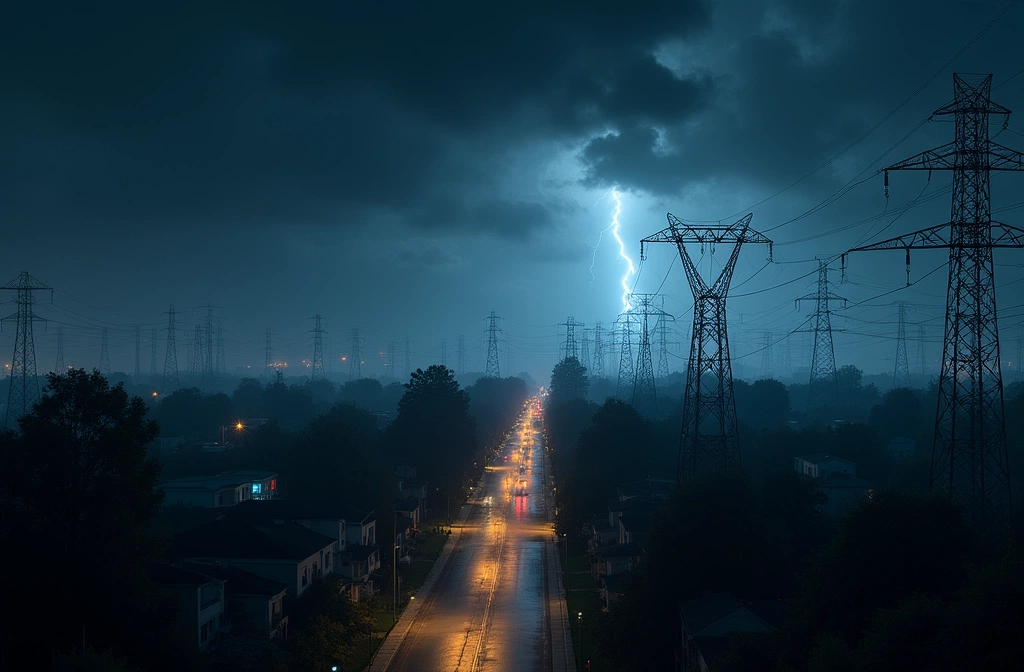
San Antonio: 40K Without Power as Storms Hit Texas Grid
Nearly 40,000 customers lost power in San Antonio Friday as severe storms brought heavy rain and lightning across Bexar County. The outage underscores how weather-driven grid stress remains a recurring vulnerability.